
Shared Stories, Shared Healing: Storytelling as Truth Telling at the Barrick Museum
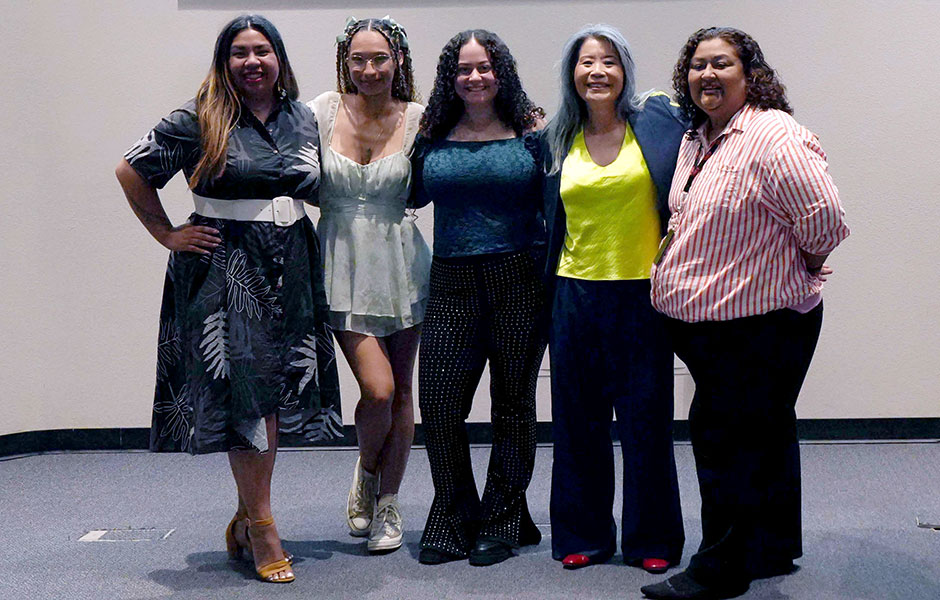
On March 25, the UNLV community gathered at the Marjorie Barrick Museum of Art for "Shared Stories, Shared Healing," a unique event that blended creative expression with the principles of restorative justice. Led by Aparna Polavarapu, Professor of Law and Co-Director of the Saltman Center for Conflict Resolution, and co-sponsored by the Jean Nidetch Care Center and the Barrick Museum of Art, the afternoon featured live storytelling, a guided letter-writing workshop, and community artwork.
This storytelling event is the first in a series of community storytelling and similar events designed to support community connection and build the foundation for future small- and large-scale restorative justice practice. Professor Polavarapu, on behalf of the Saltman Center, is excited to be working with funders and local and regional community groups to support communities in rebuilding and moving forward from violence and other conflict.
Why storytelling?
Storytelling is key to conflict resolution and peacebuilding. By sharing stories, victims and community members can voice the human impact of conflict, which is a vital component of the Saltman Center's mission. In the aftermath of larger scale conflict, storytelling serves an important truth telling function, laying the groundwork for reckoning, reconciliation, and sustainable peace. Storytelling is also important in more “traditional” legal advocacy. For future lawyers, engaging with storytelling builds narrative empathy. Understanding a client’s history, culture, and emotions allows an attorney to represent clients more authentically and effectively.